
Hello Learners, in this lesson we are going to:
- Identify formal situations between people on varied themes. Before moving to our next objective, lets watch the video below.
2. Use appropriate language to participate in formal interactions. (no slang or jargon)
3. Identify informal conversations: (casual or intimate relationship between friends and acquaintances, family and teammates) please watch the videos below.
Let first sing this song before diving into todays lesson.
I asked my mother, what will I be
Will I be pretty? Will I be rich?
Here’s what she said to me
Qué será, será
Whatever will be, will be
The future’s not ours to see
Qué será, será
What will be, will be
When I grew up and fell in love
I asked my sweetheart what lies ahead?
Will we have rainbows day after day?
Here’s what my sweetheart said
Qué será, será
Whatever will be, will be
The future’s not ours to see
Qué será, será
What will be, will be
Now I have children of my own
They ask their mother, what will I be
Will I be handsome? Will I be rich?
I tell them tenderly
Qué será, será
Whatever will be, will be
The future’s not ours to see
Qué será, será
What will be, will be
Qué será, será
Lets dive into the key words for todays lesson.
KEY WORDS: Appropriate register, colloquialism, Jargon, Slang, formal, informal.
lets use semantic map to find meaning of the key vocabulary.
write and circle each key word in your book.
Generate a web by writing the meanings.
example
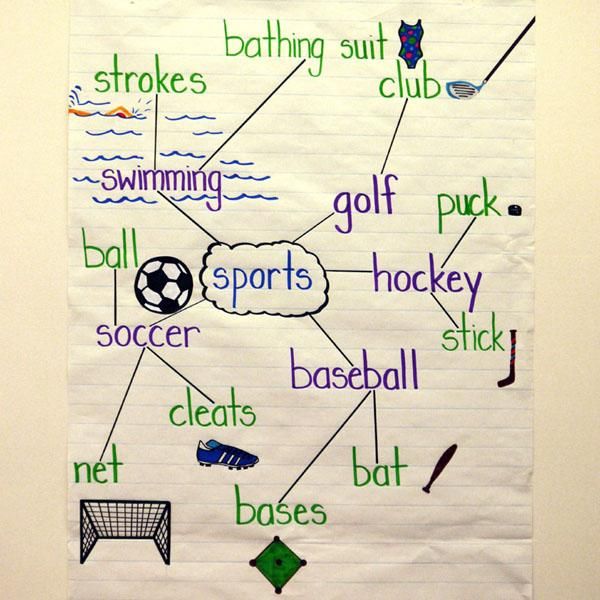
Slang is a type of language consisting of words and phrases that are regarded as very informal, are more common in speech than writing, and are typically restricted to a particular context or group of people. “grass is slang for marijuana”
Jargons are special words or expressions used by a profession or group that are difficult for others to understand.
Appropriate register means the register on which particulars of an application for planning permission for the relevant development or an application for subsequent consent have been placed or would fall to be placed if such an application were made. e.g. making reservations in a hotel.
colloquialism: A word or phrase; a common spoken expression.
Formal language is defined as a style of speech and writing used when addressing someone we do not know well, or someone we respect.
Informal Language: is defined as a style of speech and writing used when communicating with friends or family either in writing or in conversation.
Demonstrate the use of appropriate language orally in specific situations.
- Identify formal situations between people on varied themes. Before moving to our next objective, let’s watch the video below.
Note: You know some words and expressions cannot be used to address people older/higher than or who are not your friends.
Now let’s move to our second objective.
2. Use appropriate language to participate in formal interactions. (no slang or jargon)
Use the link below to watch a formal conversation between two people. After watching practice with your friend.
3. Identify informal conversations: (casual or intimate relationships between friends and acquaintances, family and teammates) please watch the videos below.
Use the link below to watch an informal conversation between two people. After watching practice with your friend.
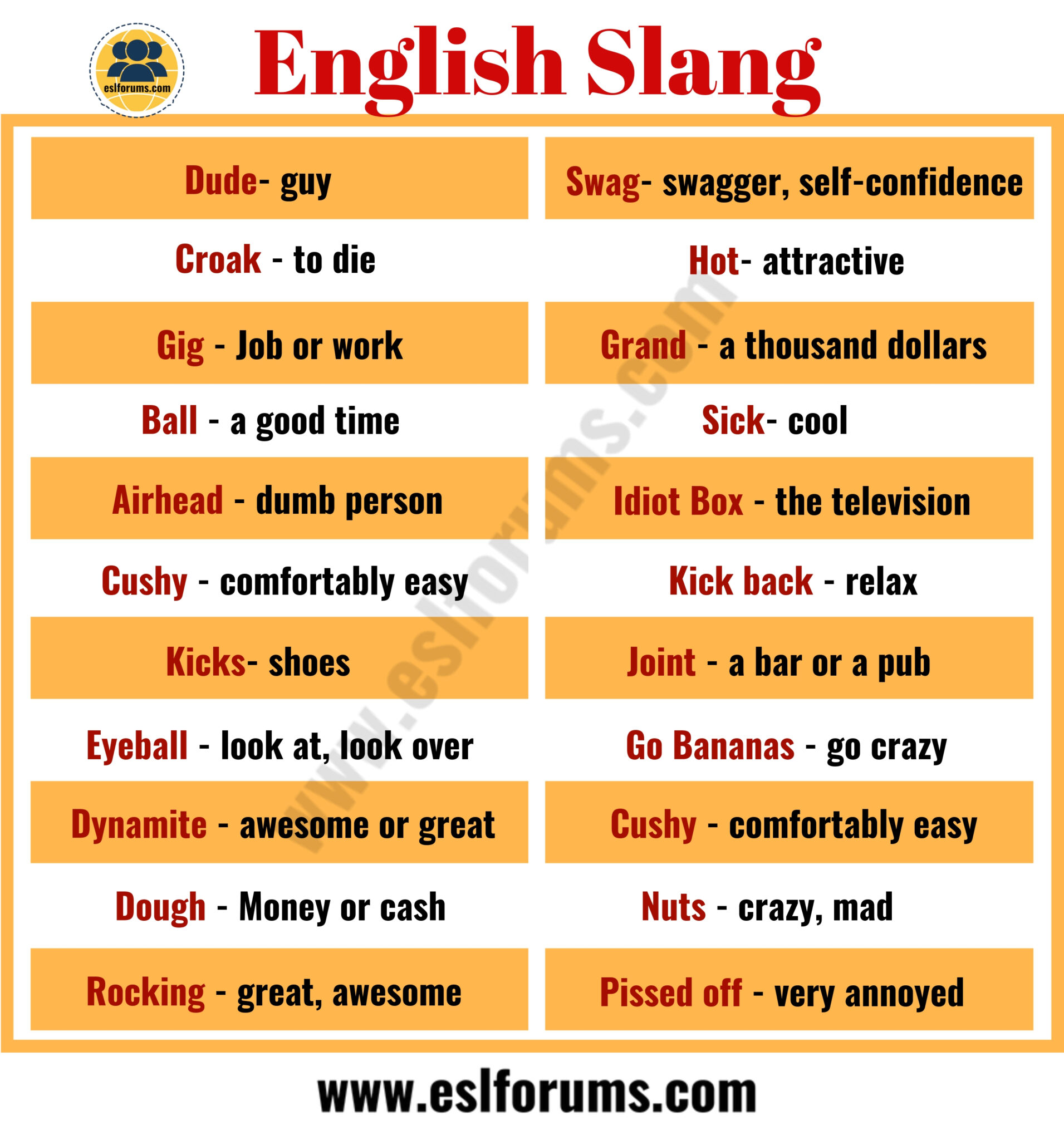
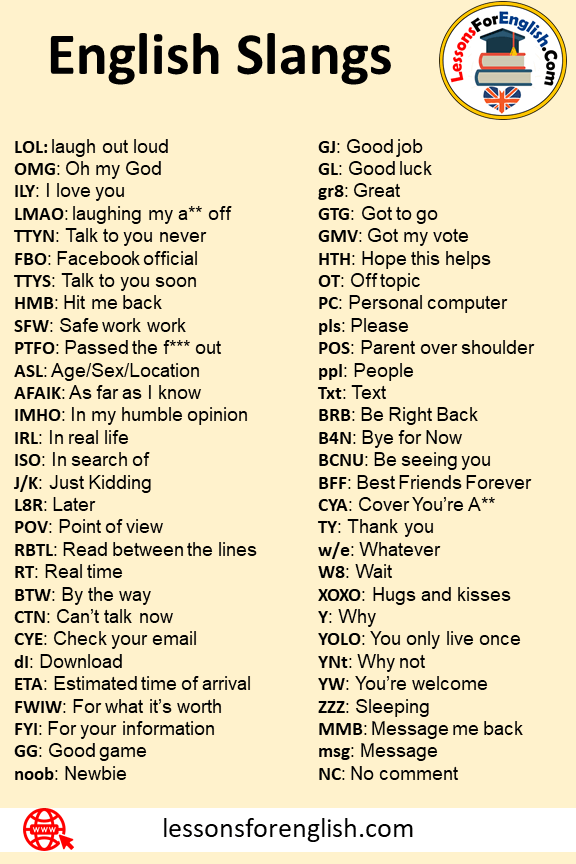
Below are examples of slang in English.

What skills will you develop in this lesson?
- You will acquire
- The difference between formal and informal language and how to apply them appropriately to suit the a situation or occasion.
- You will develop listening and speaking skills
- You will become competent in:
- communication and collaboration
- Critical thinking
- Leadership
- Cultural and global citizenship
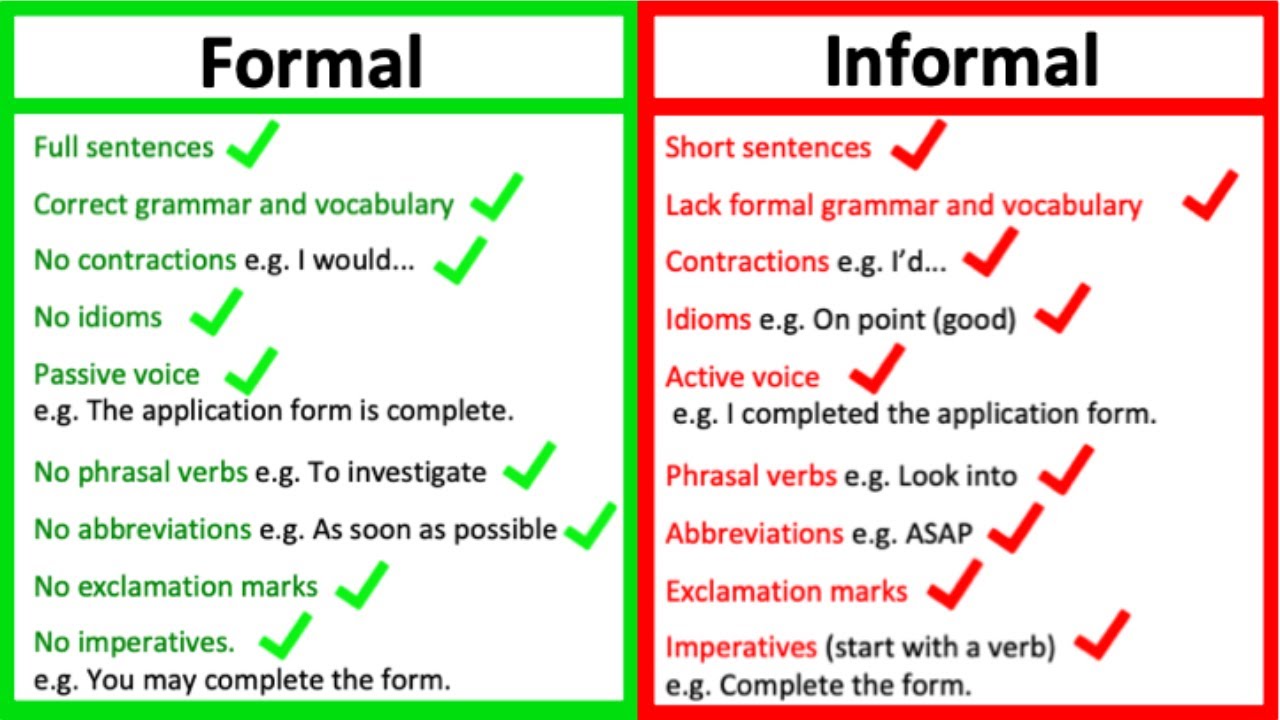
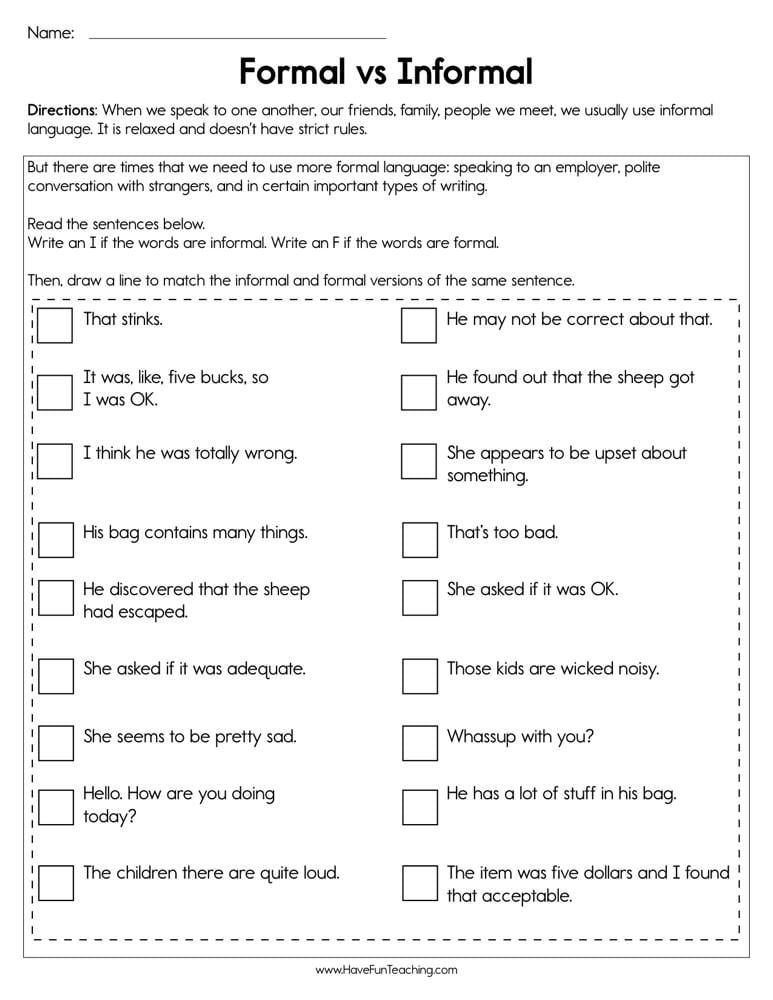
Well done I hope you enjoyed watching and listening to the conversation that transpired between the people in the video.
Let sing the song containing lyrics both formal and informal.
lets use semantic map to find meaning of the key vocabulary.
Lets listen to this song and take note of the lyrics in the song.
Lets listen to the song above to identify words like, gotta, Imma, Lemme, slomo, hum
ASSESSMENT
In groups role play scenarios using formal language on themes of their choice. Give feedback to guide them.
Home Work
In pairs design dialogues using formal language and appropriate register on selected themes e.g. tourist centers, making reservations at hotels and event centers, travel by air.
Ways to extend your understanding
- Listen to the news in English often
- Identify formal/ informal expressions and vocabulary.
- Practise using these expressions and vocabulary in given situations by imagining a situation and somebody or people listening to you.
- In pairs/ groups Practise how you will communicate with people
- At the schools Traditional Day